Moving Day in NZ dairy: The compliance & safety checklist every farm needs before 1 June
Moving Day is one of the busiest and highest-risk periods in NZ dairy farming. Use this practical Moving Day checklist to prepare your new farm for safety, biosecurity, contractors, and compliance before Day 1.
Biosecurity
Compliance
Health & Safety
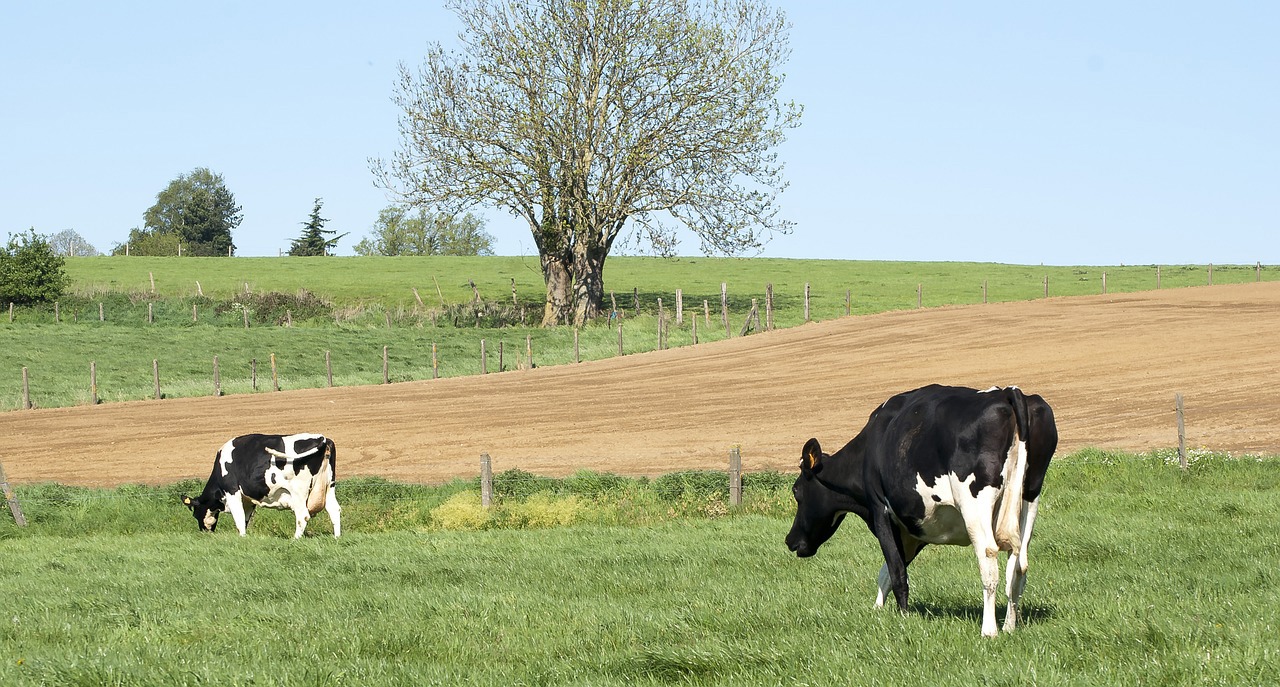
Moving Day is one of the most operationally complex periods in NZ dairy farming.
Every 1 June, thousands of farmers move herds, machinery, contractors, staff, and households between properties across the country. For many operations, the move takes days to complete.
The focus naturally goes where it always does:
-
livestock
-
logistics
-
machinery
-
housing
-
getting the season underway
But Moving Day is also a full operational reset.
A new property means:
-
a new workplace
-
new hazards
-
new emergency procedures
-
new contractors
-
new biosecurity exposure
-
new team workflows
And because everyone is moving at once, the risks compound quickly.
This guide covers the biggest safety, compliance, and operational gaps that open up during Moving Day: plus a practical checklist to help your farm prepare before Day 1.
Before the trucks arrive, make sure your new property is operationally ready. The checklist includes: H&S preparation, emergency planning, contractor setup, biosecurity controls, property mapping, lone worker preparation, staff readiness, and NAIT reminders.
What gets missed on moving day
Most Moving Day issues don’t happen because farmers don’t care. They happen because the move compresses dozens of operational decisions into a very short window.
The most common gaps include:
-
contractors arriving without inductions
-
staff working alone on unfamiliar ground
-
outdated emergency plans
-
biosecurity controls breaking down during peak traffic
-
hazards not yet identified on the new property
-
teams split across two farms with limited visibility
The risk isn’t just compliance, it’s operational confusion at the exact moment the new season begins.
1. Update your health & safety setup for the new property
When you move farms, you take on a new workplace.
That means your hazard register, emergency procedures, site risks, access points, restricted areas, and safety plans all need updating before work begins.
As a PCBU, you have an ongoing obligation to identify and manage risks in the workplaces you control.
The highest-risk period is usually Day 1. Your team is operating in an unfamiliar environment, they don’t know the hazards, the emergency procedures, or the property layout.
Before your team arrives:
-
Update your emergency plan with the new address and access routes
-
Identify hazards and restricted areas on the new property
-
Confirm emergency muster points
-
Brief staff before work begins
-
Document everything in your safety system
2. Strengthen biosecurity controls before traffic ramps up
Moving Day creates one of the busiest traffic periods of the NZ dairy calendar. Truck drivers, contractors, stock agents, neighbours, moving crews, and service providers may all enter the property within a compressed period.
Every vehicle entering your gate may have visited multiple farms that same day. That makes biosecurity controls critically important.
Key questions to ask:
-
Have boots and equipment been cleaned and disinfected?
-
Has the visitor been in contact with livestock recently?
-
Are there any known biosecurity restrictions?
-
Have vehicles been cleaned before arriving?
Without a system in place, these checks often become rushed verbal conversations during an already stressful operational period. Digital visitor check-ins create consistent screening, accountability, traceability, and documented records.
Recommended references:
3. Make contractor inductions part of the move, not an afterthought
On Moving Day, people arrive on-site who have never worked on the property before. They may not know traffic rules, restricted areas, hazards, emergency procedures, chemical storage locations, or access routes. That creates operational and legal exposure immediately.
The best farms handle inductions before contractors arrive.
Digital contractor management allows farms to:
-
send induction information ahead of time
-
track acknowledgements
-
maintain live site records
-
know who is on-site during the move
The goal is simple: reduce confusion before work starts.
4. Map the new property before Day 1
One of the fastest ways to reduce confusion during Moving Day is to ensure everyone can orient themselves quickly.
A digital property map gives staff, contractors, relief workers, and managers a shared operational reference point.
Important locations to map:
-
access roads
-
hazardous zones
-
restricted areas
-
chemical storage
-
emergency muster points
-
first aid locations
If you’re already using Onside, preparing the new property before Moving Day means your systems are ready before staff arrive.
This becomes even more important when teams are split across multiple locations during the move.
5. Coordinate teams across both farms
Many Moving Day operations run across two properties simultaneously - some staff finishing at the old farm, others preparing the new one, contractors and logistics overlapping.
Without clear visibility, important tasks get missed.
A shared task management system helps teams:
-
assign responsibilities
-
prioritise work
-
track completion
-
flag high-risk jobs
-
reduce duplication and confusion
6. Protect lone workers on unfamiliar ground
Moving Day often creates temporary lone worker situations that don’t exist during the rest of the season. Staff may be checking infrastructure, preparing paddocks, moving equipment, or travelling between farms, often alone, on an unfamiliar property.
The local knowledge that normally keeps people safe isn’t there yet. Day 1 is exactly when lone worker systems matter most.
Lone worker preparation should include:
-
check-in expectations
-
escalation procedures
-
location visibility
-
emergency contacts
-
communication protocols
A missed check-in should trigger follow-up immediately.
Already using Onside?
Talk to the team about preparing your new property before 1 June.
New to Onside?
Book a demo and get your new farm operationally ready from Day 1.
FAQs
-
What is Moving Day in NZ dairy farming?
Moving Day is the traditional 1 June transition date when NZ dairy farmers change properties at the end of the season. Thousands of farmers move herds, machinery, teams, and households during this period.
-
What are my NAIT obligations during Moving Day?
All animal movements must be recorded in the NAIT system within required timeframes. Cattle must be tagged correctly and movements updated before livestock leave the property. See OSPRI for current obligations.
-
What are the biggest safety risks during Moving Day?
Common risks include unfamiliar hazards, lone workers, contractor confusion, vehicle traffic, fatigue, and incomplete inductions.
-
Why is biosecurity risk higher during Moving Day?
Because contractors, vehicles, livestock, and equipment are often moving between multiple farms in a short period of time, increasing the chance of disease introduction or spread.
-
What should be included in a Moving Day farm safety plan?
A strong Moving Day safety plan should include updated emergency procedures, hazard identification, contractor inductions, property mapping, communication protocols, and lone worker processes.
-
How can Onside help during Moving Day?
Onside helps farms prepare their new property before Day 1 with contractor management, digital inductions, visitor screening, property mapping, task coordination, lone worker visibility, and operational record keeping.